
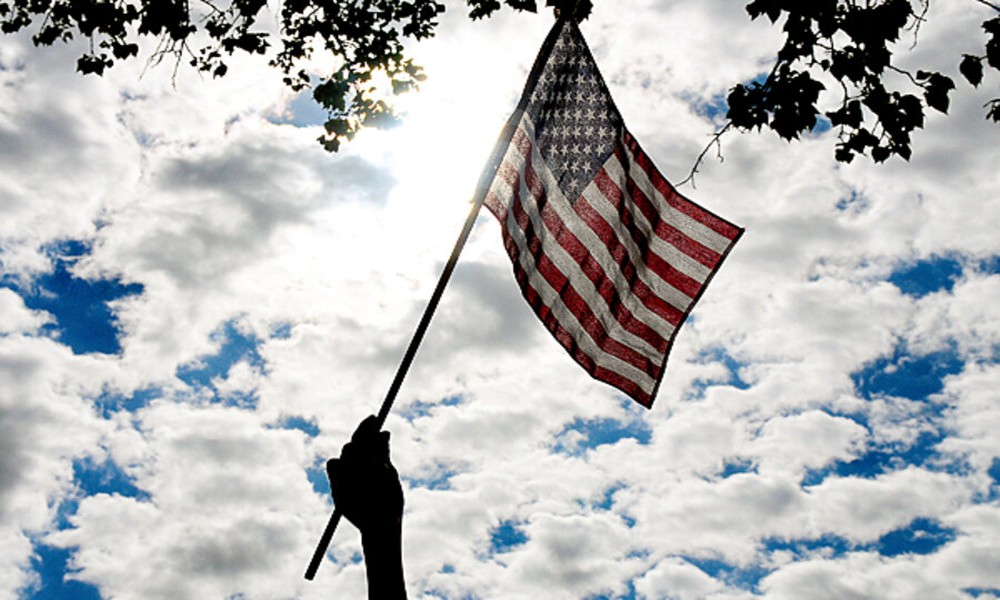
Some of us find ourselves wondering the same thing. What is the reason for Americans’ fascination with flag apparel? For some, it is possibly even an obsession.
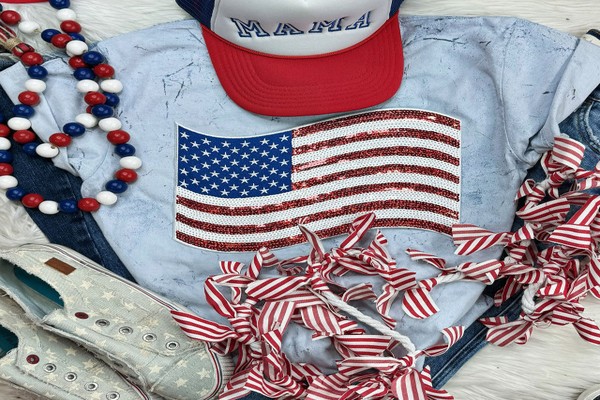
You’ve probably noticed a sizable number of people wearing swimsuits, shorts, and T-shirts with the standard. However, you may also purchase cowboy hats with the stars and stripes, stilettos, and pennant overalls.
Naturally, between Memorial Day, which is the final Monday in May. And also, the 4th of July. It is when this obsession with everything red, white, and blue is most noticeable. However, you may see the Ultimate Flags all year round if you pay attention.
Even if the pennant is merely a tangible symbol made of fabric. It has the power to unite and inspire people, especially when it pertains to attire.
It should be mentioned that all of this clothing trend is technically in violation of the Code. It says that: “The pennant shouldn’t be employed as wearing apparel, bedding, or drapery.” Then you shouldn’t hug the pennant either. Right?
The code was created by several organizations and approved by Congress in the 1940s. This was passed to maintain the respect and dignity for what the pennant represents.
It basically states that the ensign shouldn’t be used on anything that would be thrown away. According to the code, “the pennant symbolizes a living state and is itself regarded as a living thing.”
Don’t worry, though, if you’re among those who pull out your star-studded bikini every July. You won’t be imprisoned if you violate the code because it is merely a set of rules.
In fact, the 1989 Flag Protection Act was overturned by the Supreme Court in 1990. That’s because a desecration has been safeguarded by the First Amendment as free speech.
Is the clothing disrespectful?
John Hartvigsen, a vexillologist – a person who spends time studying ensigns. And former president of the North American Vexillological Association – go to https://www.nava.org/ for further reading. They encountered numerous calls from people who are upset that a car dealership is flying their company banner.
It is in the American state that a store like Old Navy is selling shirts. He advises giving these folks some leeway. It’s about a person’s intentions rather than strictly adhering to the rules. And according to Hartvigsen, 98% of the time, people wear or show the banner to honor it.
“If you truly want to pay tribute to the ensign. The manner in which you respect it is how you behave as a citizen,” Hartvigsen continues.
For example, the American Nazi Party frequently displayed the ensign before World War II. And the Ku Klux Klan paraded the banner virtually nonstop in the 1920s.
You can obey all of the regulations in the world and insult the ensign via your conduct. Although neither of these organizations was breaking the code. They also did not utilize the banner to stand for the principles. As well as ideals that so many Americans think it represents.
Nationalism or Patriotism?
However, it goes beyond our interpretations of what it means to wear or show the ensign. It’s also the connotations we give the banner.
- According to Linda Skitka, she is a University of Illinois-Chicago psychologist. In her piece, “Nationalism or Patriotism? Understanding Post-September 11, 2001, Flag-Display Behavior.”
Patriotism is founded on an affective attachment to one’s in-group. It is unrelated to sentiments toward individuals outside the group or the group leader. On the other hand, nationalism is closely linked to a “us vs. them” mentality. Additionally, according to Skitka, flying the banners, especially in the wake of tragedies like 9/11.
It might be motivated by both patriotism and nationalism. That’s based on whether the incident evokes sentiments of closeness or danger.
- For individuals who felt less frightened by the terrorist assaults. Flag-displaying behavior might have resulted from patriotism without nationalism.
- This behavior, however, might have shown more nationalism. Or a complicated combination of patriotism and nationalism. Especially among people who felt more endangered by the terrorist attacks, she says.
- However, Skitka discovered that most people were motivated by patriotism – this page will tell you more. They wished to demonstrate their solidarity with other Americans. Following the attacks, between 74 and 82 percent of Americans raised banners in one way or another. That is according to national surveys.
- It should come as no surprise that fewer pennants were raised in the years following 9/11. According to Skitka, the decline in banners wasn’t just due to a lack of recent events. But also, because flying the ensign took on a more patriotic connotation and signified support for the war in Iraq. Fewer people found it acceptable.
- The politically charged discourse resulting from flag clothing is still evident today. Thus, making it difficult to distinguish between nationalism and patriotism.
Senator Ted Cruz of Texas tweeted on a related topic. He said that it’s an excellent move for Nike. They only intend to distribute sneakers for consumers who dislike the ensign. That is in reaction to Nike removing the Betsy Ross shoe.