
Permanent makeup is a form of cosmetic tattooing. Pigment is deposited into the upper layers of the skin, and just like any tattoo, the skin needs time to recover. Understanding what happens during that recovery period helps you protect your results and avoid unnecessary complications.
What Happens to Your Skin Immediately After the Procedure
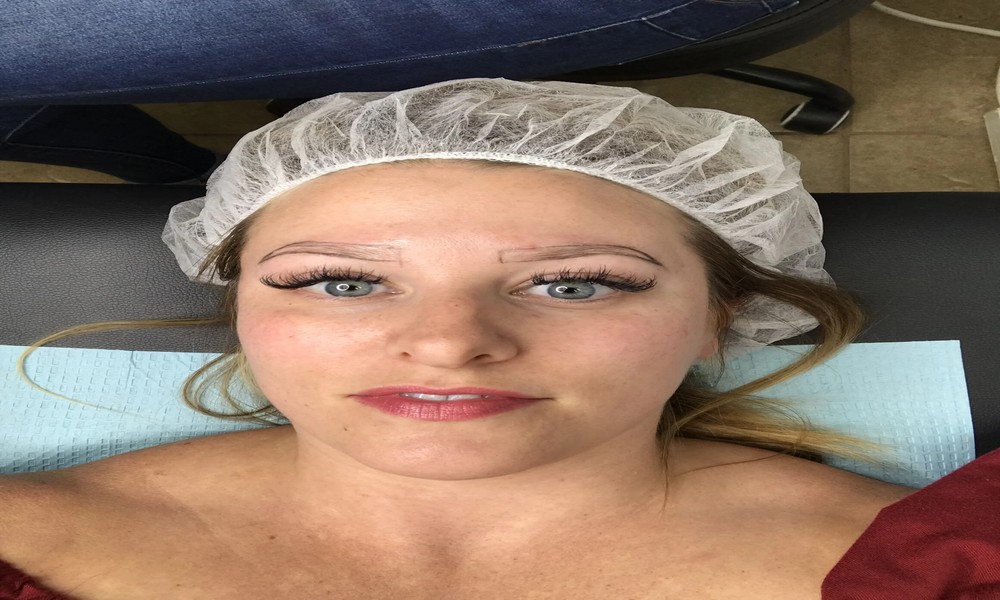
Right after a permanent makeup treatment, your skin goes through an initial trauma response. The treated area will look noticeably darker, bolder, and more intense than the finished result you are expecting. This is completely normal. The colour you see on day one is not the colour you will keep.
Redness and mild swelling are standard. Some clients experience slight tenderness or a warm sensation in the treated area. Microbladed brows, lip blush, and eyeliner tattoos all follow a similar pattern, though the lips tend to swell more noticeably due to the tissue sensitivity.
The First Week: What to Expect Day by Day
Days one and two bring the most visible reaction. Swelling peaks and then begins to settle. The pigment looks saturated and sharp.
By days three to five, the skin begins to form a fine surface layer. This is the stage where flaking and peeling begin. The temptation to pick at flaking skin is strong, but doing so will pull pigment out prematurely and leave patchy, uneven results. Let the skin shed naturally.
Days five to seven typically bring more visible peeling. The colour may appear to fade dramatically during this stage. Many clients panic, thinking the pigment has gone entirely. It has not. The colour sits beneath the surface and will reappear as the skin settles.
Weeks Two to Four: The Ghost Stage
Between two and four weeks post-treatment, the skin enters what many practitioners call the ghost phase. The colour looks washed out, faint, or almost invisible. This is the point where the skin is still healing beneath the surface, and the pigment has not yet fully surfaced through the new layers of skin forming above it.
This stage requires patience. Avoid judging the final result during this period. Most permanent makeup treatments require a top-up or touch-up appointment around four to six weeks after the initial session. This is built into the process and is not a sign that something went wrong.
Aftercare Rules That Make a Real Difference
The way you care for the treated area directly affects how the pigment heals. Follow your technician’s instructions closely.
Keep the area dry for the first ten days. Avoid swimming, saunas, steam rooms, and excessive sweating. Water exposure during the initial healing stage lifts pigment and disrupts the settling process.
Do not apply makeup over the treated area while it heals. For lip procedures, avoid excessively hot food and drinks in the first few days.
Apply any healing balm or aftercare ointment your technician provides in a very thin layer. Using too much product suffocates the skin and draws pigment out.
Stay out of direct sunlight. UV exposure during healing fades pigment rapidly and can cause uneven results. Once fully healed, always apply SPF over permanent makeup when outdoors to preserve colour longevity.
Full Healing Timeline
The skin surface typically feels normal within two to three weeks. However, the deeper layers of the dermis continue healing for up to 8 weeks after treatment. The final, true colour of your permanent makeup will only be visible once this process is complete.
Results vary between individuals. Oily skin types tend to retain less pigment and may need more frequent touch-ups. Dry or normal skin often holds colour more predictably. Age, skin condition, and aftercare compliance all play a role in the final result.
When to Contact Your Technician
Mild redness, flaking, and tenderness are expected. However, if you notice excessive swelling, oozing, strong odour, or spreading redness beyond the treated area, contact your technician or a medical professional promptly. These signs can indicate infection, which is rare but requires swift attention.
Understanding each stage of the healing process takes the guesswork out of recovery and helps you achieve the best possible long-term result from your permanent makeup investment.